Growing leads into prospects
As Director of Design in HubSpot's 300-person Marketing department, I led a six-person design team through a service-provider-to-strategic-partnership transformation. Over two years, I codified the design process, merged the team's design system with Product’s UI library, and built a team culture that measured 4.1/5 on psychological safety.
6
designers
4.1/5
team health
1
re-org
Five months in, I led the team through the most important change of my tenure: a shift from a fully centralized service model to what Peter Merholz calls centralized partnership. Instead of working alone on tickets pulled from a queue, each designer became embedded with a key strategic team within Marketing and paired long-term with marketing managers, engineers, and video editors.
The change was structural. Designers were now included in strategic planning, goal-setting, and roadmap conversations from the start. Rich context produced higher-quality design outcomes, and the long-term partnerships built trust across disciplines that the ticket model had never made room for.
Alongside the model change, I codified a shared design process—adapted from IDEO and the Stanford d.school but rewritten in HubSpot's terminology with a lightweight responsibility matrix—so the team could ship consistently across partner teams. And I redirected the team's internal design system effort toward a merger with Canvas, HubSpot's product-side system, so audience experiences stayed coherent even when org boundaries shifted.

Our team’s new design process
Setting the vision
Collaboration with others starts with a clear understanding of one’s own role. I led several design team workshops to refine our SLAs (service-level agreements):
Purpose: How do we define our work?
Scope: Where does our work end, and others’ begin?
Reporting: What information does our team need to communicate up the chain?
Desired result: What’s our highest goal?
Deliverables: What should we produce?
This document was reviewed, evolved, and finalized in partnership with cross-functional teams and their leads.


Safety in our team
Based on Edmondson's framework, a senior team member ran a baseline survey of our team across five dimensions: psychological safety, dependability, structure and clarity, meaning, and impact. We averaged 4.1/5 across them, with psychological safety as our lowest score and meaning as our highest. The data gave us a baseline for growth and opened important space for dialogue about where we needed work.
Team decisions
The transformation to embedded partnership raised the bar for every designer on the team. Strategic work required different capabilities than ticket-based execution. Designers needed deeper cross-functional partnership, more independent judgment, and comfort in ambiguity.
Over the course of the transformation, I made the decision to part ways with one designer whose strengths didn't align with the new model, and a second designer chose to move on to a role that fit their goals better. Both were difficult conversations, handled directly and with care.
I used the openings to recalibrate the team's mix of skills and seniority. Both backfills came in with strong strategic partnership instincts and grew quickly into their partner-team relationships. Within a year, the team was stronger than it had been at the start of the transformation. Not because we changed everything, but because we made the specific changes the new model required.
Inclusion
Fostering a sense of inclusion requires a commitment to visibility and vulnerability on the part of leaders. In addition to our organization’s adoption of the DiSC behavior assessment protocol, I wrote and distributed my own “user guide” to help my team and colleagues understand more about my background and how best to collaborate with me.


Senior leadership keynotes
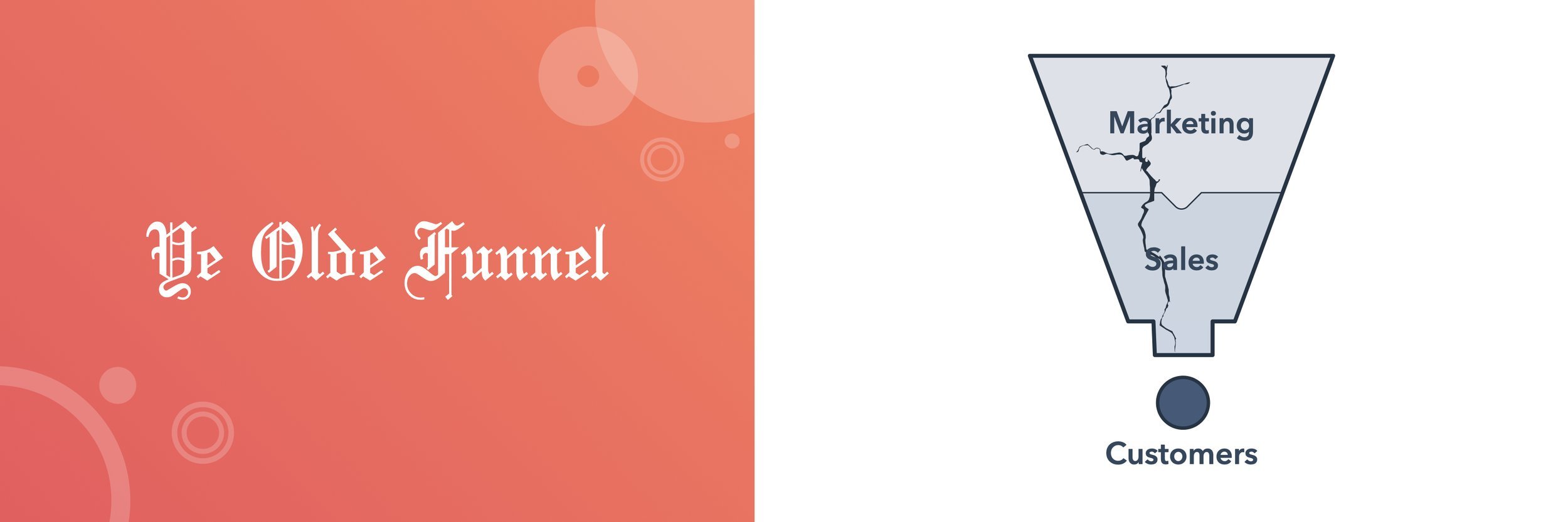
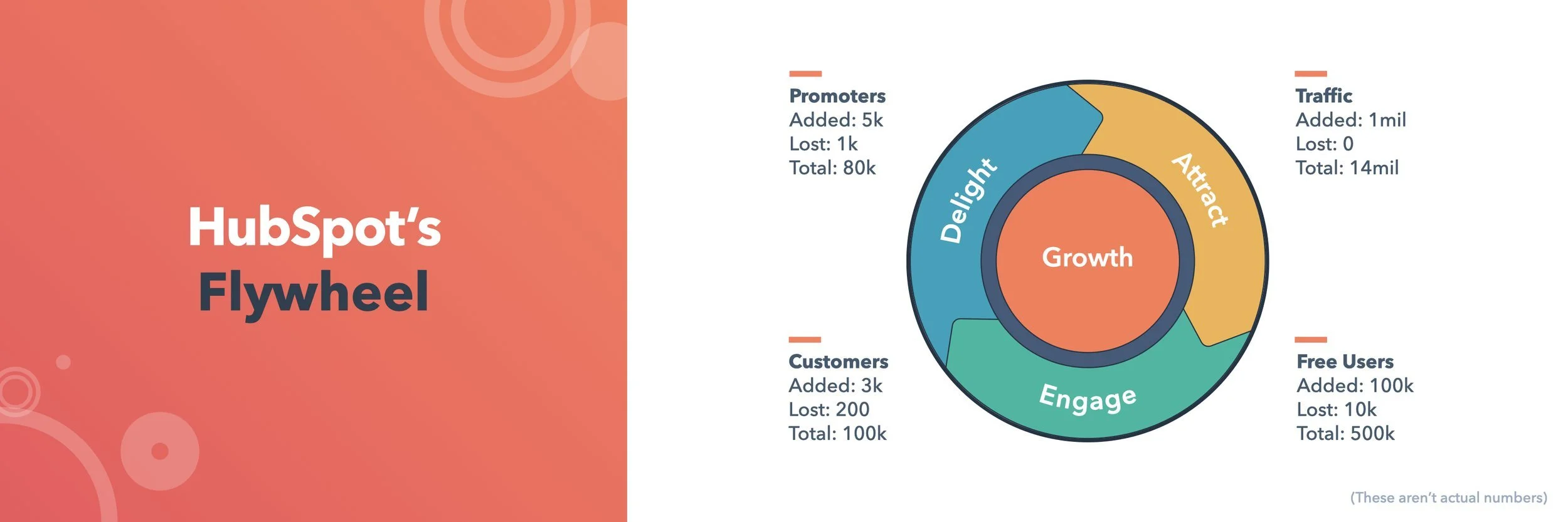
As the most senior designer in Marketing, I partnered with HubSpot's cofounders and CPO to design the visuals for their INBOUND keynote addresses (Brian Halligan, Dharmesh Shah, and Christopher O'Donnell) projected on the 120-foot main stage screen. The work was high-stakes production design under tight timelines, requiring careful coordination across Brand, Video, and the speakers themselves.

HubSpot CEO Brian Halligan presenting at INBOUD

HubSpot CTO Chris O’Donnell presenting at INBOUD

Team work
During my time at HubSpot, I was fortunate to support very talented designers. Where possible, the images below link to their own case studies.
Amanda Chong
UX Designer

Business template directory

Product branding
Kiona Highbridge
UX Designer, Web Strategy

Customer stories redesign

Pricing redesign

Careers redesign
David Carberry
Senior Brand & UX Designer

Make My Persona tool

Email Signature Template Generator tool